No. 521
·
Japan Destination Wedding News
·
October 26, 2026
New stays in Tokyo, Yamagata and the Seto Inland Sea, two new tables, JR East's winter trains and Kobe's autumn garden calendar,…
No. 520
·
Wedding Planning in Japan
·
October 25, 2026
Already married at home? Your wedding in Japan doesn't wait on any paperwork. What being legally married in Japan involves, from the…
No. 519
·
Inspiration & Stories
·
October 24, 2026
Shinrin-yoku, Japan's forest bathing, started life as a forestry campaign in 1982. The science came later, smaller and stranger than the slogans,…
No. 518
·
Inspiration & Stories
·
October 23, 2026
Natsume Sōseki never told a student to translate I love you as the moon is beautiful. The story stuck anyway, because it…
No. 517
·
Wedding Planning in Japan
·
October 21, 2026
Nobody knows the dates of cherry blossom season 2027 yet, not even Japan's weather agency. Ten springs of real bloom records, when…
No. 516
·
Wedding Business & Industry Insights
·
October 20, 2026
Ten years ago, at a talk for Japan's wedding industry, a man at the back asked us what a destination wedding was.…
No. 515
·
Inspiration & Stories
·
October 19, 2026
The memory palace began with a collapsed roof and a poet who remembered where every guest had been sitting. Two and a…
No. 514
·
Wedding Planning in Japan
·
October 18, 2026
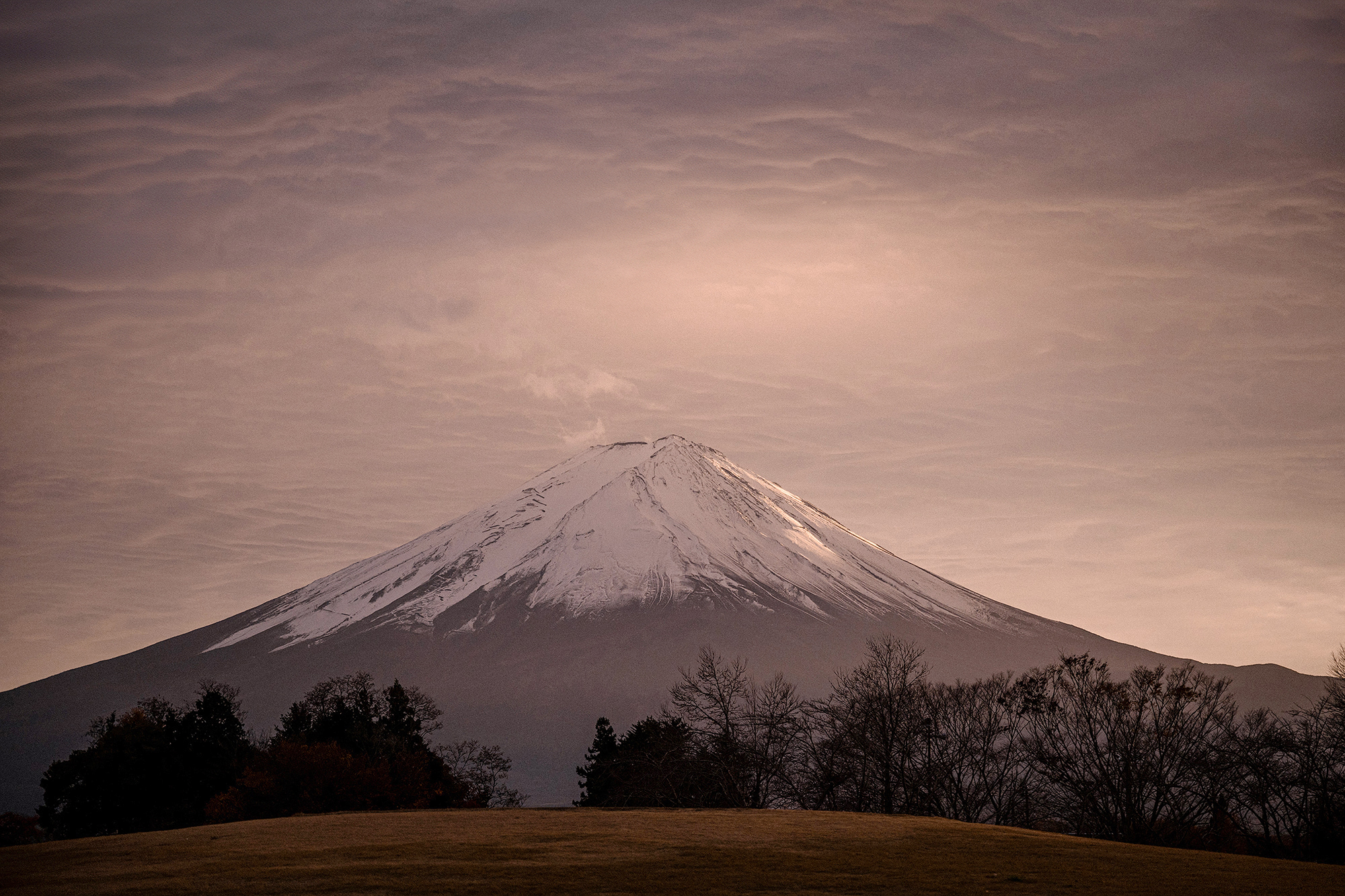
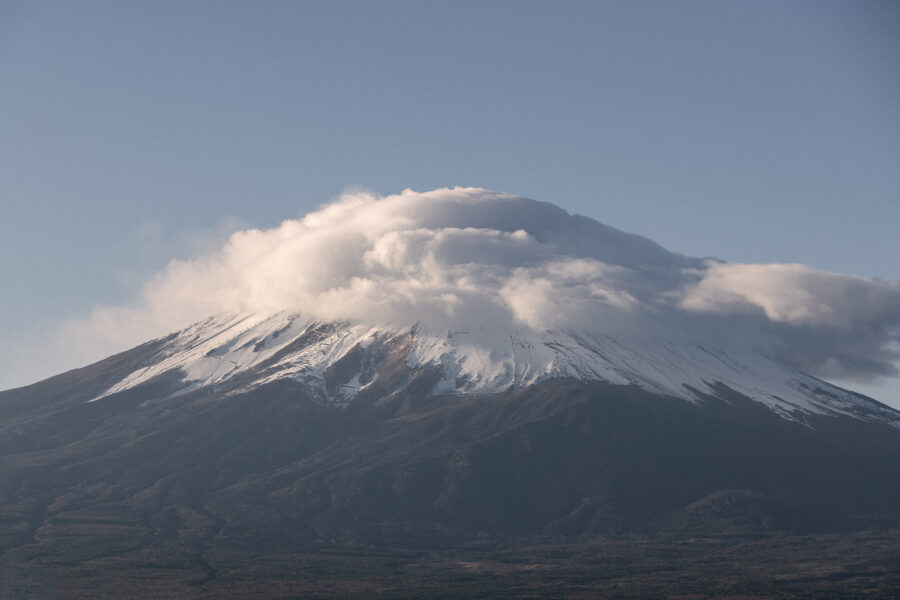
Around the Fuji Five Lakes, people have read the mountain's weather for generations: one cap cloud for rain, two for wind and…
No. 513
·
Wedding Planning in Japan
·
October 17, 2026
How to plan a wedding in Japan from overseas: the legal question, who works for you, the venue, the budget and what…
No. 512
·
Wedding Planning in Japan
·
October 16, 2026
Everything couples need to know about getting married in Japan, in the order we'd decide it: the legal part, who works for…